A driver must report any tanker leak immediately if:
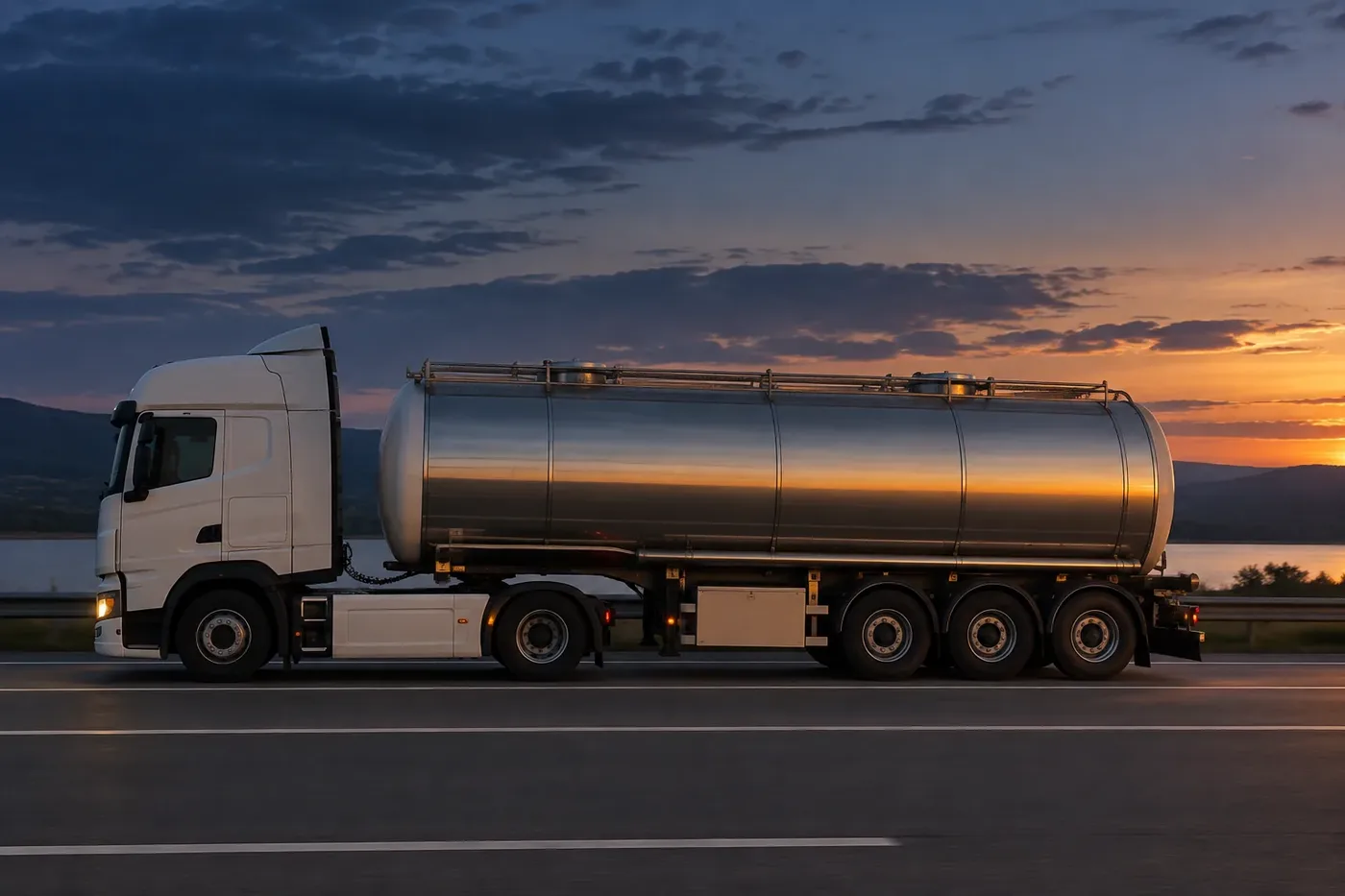
- A The leak threatens public safety, the environment, or violates hazmat regulations.
- B Only at the destination.
- C Only at the start of the next shift.
- D Only if more than 100 gallons spill.
Correct answer: A — The leak threatens public safety, the environment, or violates hazmat regulations.
Hazmat leaks must be reported immediately to the National Response Center if they meet reporting thresholds. Even non-hazmat leaks should be stopped, contained, and reported per company policy and local rules.
Why this matters
This question comes from the Tank Vehicles portion of the CDL knowledge exam, which is built directly from the AAMVA Commercial Driver License Manual. The rule it tests is one that examiners return to repeatedly — different exam forms may rephrase the question or change the example, but the underlying answer stays the same. Understanding the rule (rather than memorizing the wording) is what gets you past every variant.
Commercial driving is governed by the Federal Motor Carrier Safety Regulations (49 CFR Parts 350–399). State licensing agencies adopt these rules and add their own road and weight regulations on top. When you study for the CDL exam you are not just studying for a quiz — you are learning the rules you will be expected to follow on every trip, in every state, for as long as you hold the license. A driver who can answer this question correctly is one step closer to safe, professional operation.
Tips for studying this material
- Read the corresponding chapter of your state's CDL handbook in addition to practicing here.
- If you miss a question, write the rule down in your own words and revisit it 24 hours later.
- Connect each rule to a real driving scenario — visualizing the situation makes the answer easier to remember on test day.
- Practice in short sessions (15–25 minutes) rather than long marathons. Spaced repetition is more effective for long-term recall.